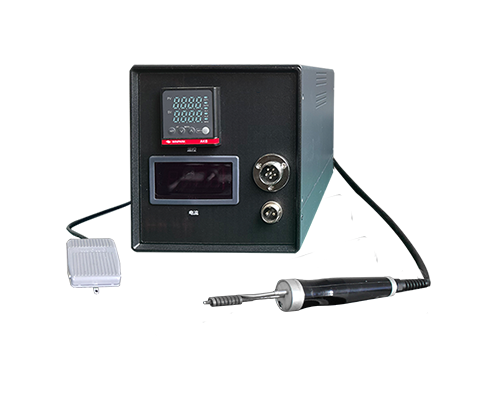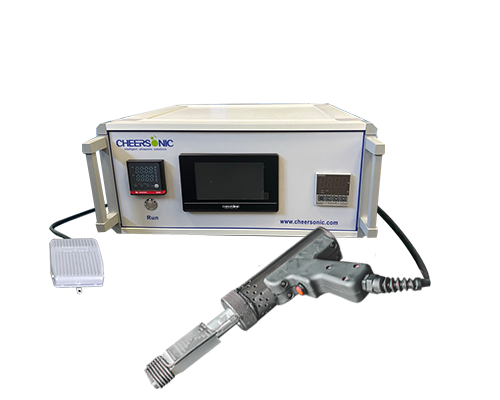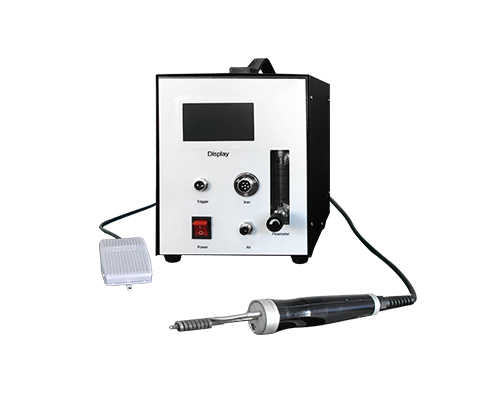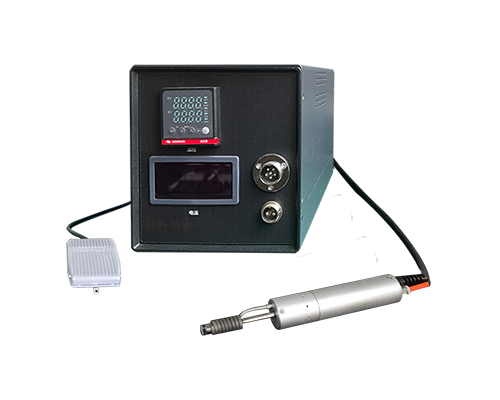
In precision manufacturing, cover sealing is crucial for ensuring the stability and reliability of core components. Especially for devices with sensitive internal structures, the sealing process not only needs to achieve high airtightness but also prevent damage to internal components during processing. The emergence of ultrasonic welding technology provides a revolutionary solution for the sealing connection between metal covers and bases. With its significant advantages of low temperature, no solder, and high airtightness, it has become an ideal alternative to traditional processes.
The core application of ultrasonic welding in cover sealing is in the connection between metal covers and metallized ceramic or metal encapsulation bases. Common metal cover materials such as Kova alloys can achieve a tight bond with the base through ultrasonic welding. This welding method utilizes the mechanical energy generated by high-frequency vibration to cause the metal atoms at the contact surface to diffuse and form a metallurgical bond. No additional solder is needed, fundamentally avoiding the contamination problems that may be caused by solder residue. It also eliminates compatibility issues between solder and the substrate, resulting in a purer and more stable sealing structure.

High airtightness is a core requirement for cover sealing. Ultrasonic welding, with its unique welding principle, can create a near-perfect seal. During the welding process, high-frequency vibrations quickly form a uniform weld joint on the contact surface, effectively blocking the intrusion channels of environmental impurities such as moisture and dust particles, building a robust protective barrier for sensitive internal structures. Whether in humid industrial environments or dusty outdoor settings, devices sealed by ultrasonic welding maintain a clean and dry internal environment, ensuring the stable operation of core functions.
Compared to traditional brazing or fusion welding processes, the low-temperature advantage of ultrasonic welding is particularly prominent. Traditional processes often require high-temperature heating to achieve welding, and high-temperature environments can easily cause irreversible damage to sensitive structures such as MEMS, leading to performance degradation or even failure. During ultrasonic welding, heat is concentrated only in a small area of the contact surface, with the overall temperature controlled at a low level. This ensures both weld strength and sealing performance while maximizing the protection of sensitive internal structures from heat damage, solving a long-standing technical pain point of traditional processes.
The application of ultrasonic welding technology is continuously expanding in fields such as precision electronics, sensors, and microelectromechanical systems. Its low-temperature, solderless, and highly airtight technical characteristics perfectly meet the stringent sealing requirements of high-end components, providing strong support for technological upgrades and product innovation in related industries. With continuous advancements in manufacturing processes, ultrasonic welding will be more widely used in cover sealing, becoming a crucial technological force driving high-quality development in the precision manufacturing industry.