In the manufacturing and packaging of solar cells, the connection quality between the aluminum back surface field (SPF) and the aluminum strip directly determines the cell's conductivity and long-term reliability. Ultrasonic brazing, as a connection technology adapted to the characteristics of aluminum, offers advantages such as low temperature, no solder, and high strength, making it a key solution to the aluminum-aluminum connection problem and providing important support for improving the overall performance of solar cells.
The main function of the aluminum SPF in a solar cell is to collect back current, reflect unabsorbed light, and protect the cells from external environmental corrosion. The aluminum strip, acting as a "bridge" for current conduction, needs to form a stable electrical and mechanical connection with the aluminum SPF. Traditional welding techniques face two major challenges: first, the aluminum surface easily forms a dense oxide film, hindering interfacial bonding; second, high-temperature welding easily leads to thermal stress in the cells, causing breakage or performance degradation. Ultrasonic brazing is designed to address these two pain points, achieving high-quality connections through physical action.
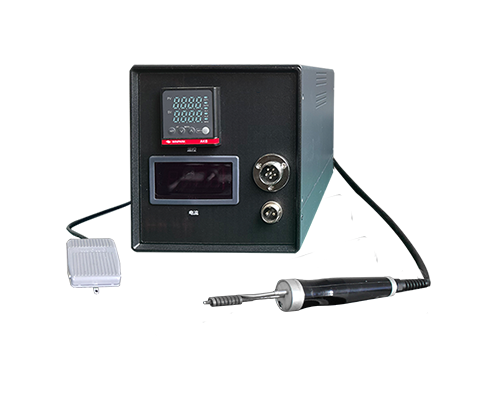
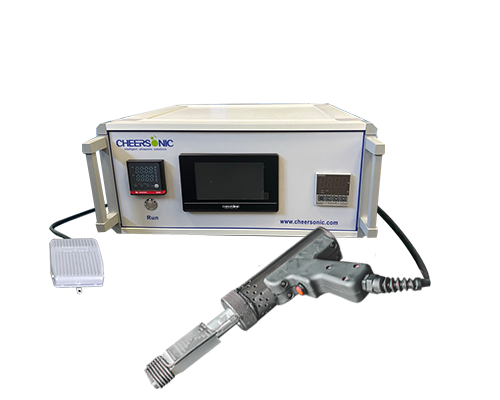
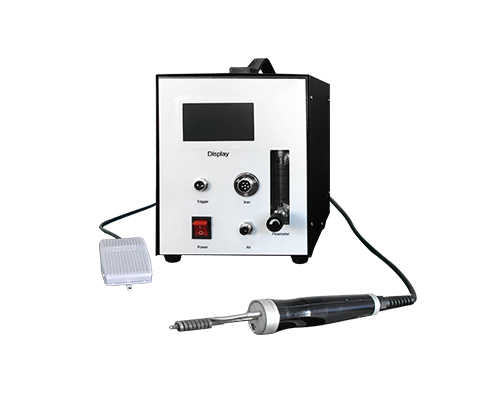
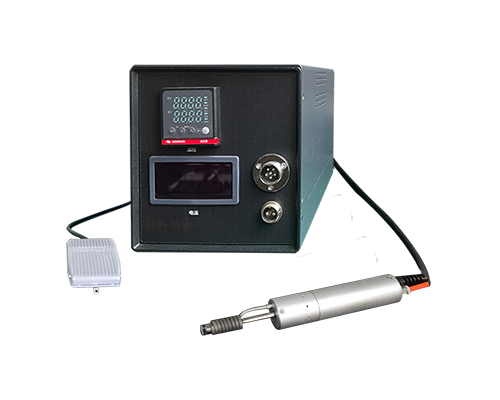
The core of ultrasonic brazing is using ultrasonic vibration energy to overcome connection barriers. The specific process can be divided into three stages. First, the ultrasonic generator converts electrical energy into high-frequency mechanical vibration, which is transmitted to the welding tool head via a transducer and amplitude transformer. Second, the tool head applies pressure to the contact area between the aluminum strip and the aluminum back surface; the vibrational energy causes the oxide film on the contact surface to rupture, exposing fresh metal. Finally, under the combined action of pressure and vibration, the metal atoms of the aluminum strip and the aluminum back surface diffuse and fuse at the interface, forming a metallurgical bonding layer. The entire process typically occurs at temperatures below 300°C, far below the melting point of aluminum and the tolerance limit of the solar cell.

Compared to traditional welding techniques, ultrasonic brazing exhibits three core advantages in solar cell bonding. First, low-temperature protection: low welding temperatures prevent microcracks in the solar cells due to thermal shock and also prevent deformation of the aluminum back surface area, ensuring the photoelectric conversion efficiency of the cells. Second, solderless connection: no additional solder is needed, reducing material costs and process steps, and avoiding impurities in the solder affecting conductivity, thus reducing the risk of corrosion during long-term use. Third, high-strength bonding: the resulting metallurgical bonding layer has high mechanical strength and low resistance, capable of withstanding vibration and temperature cycling during transportation, installation, and outdoor use of solar cells, extending the lifespan of the solar module.
In practical applications, the effectiveness of ultrasonic brazing needs further improvement through process parameter optimization and material adaptation. At the process level, precise control of welding pressure, ultrasonic amplitude, and action time is crucial: excessive pressure will crush the solar cells, while insufficient pressure will not effectively break the oxide film; insufficient amplitude and time will lead to insufficient connection strength, while excessive amplitude and time may cause overheating and deformation of the aluminum strip. At the material level, the purity of the aluminum strip, surface flatness, and the uniformity of the aluminum back surface area thickness all affect the interface bonding quality, requiring preliminary material screening and pretreatment to lay a good foundation for the welding process.
Ultrasonic brazing technology, by adapting to the characteristics of aluminum and the performance requirements of solar cells, has solved the core challenge of connecting the aluminum back surface area to the aluminum strip. As the solar energy industry moves towards higher efficiency and longer lifespan, this technology will further optimize process precision, providing stronger technical support for improving the reliability and economy of photovoltaic modules.